
The global jewelry market is growing rapidly, and with increasing demand comes the need for
efficient mass production. Modern jewelry brands are no longer dependent only on
handcrafted methods. Instead, they rely on advanced technologies like CAD design,
automated casting, and streamlined workflows to produce jewelry at scale.
Mass production in jewelry manufacturing is not just about producing large quantities. It is
about maintaining consistency, quality, and cost efficiency while meeting global demand.
With the right systems in place, businesses can scale without compromising design accuracy
or product quality.
What is Mass Production in Jewelry?

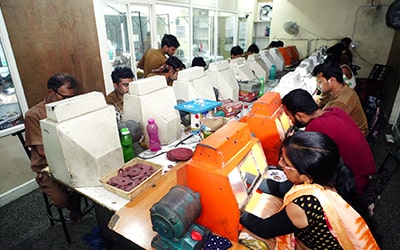

Mass production refers to the process of manufacturing large quantities of identical or similar
jewelry pieces using standardized methods.
Designs are created once and replicated multiple times Production processes are optimized for speed and efficiency Automation reduces manual errors
Consistency is maintained across all pieces
Suitable for global retail and wholesale markets
This approach allows brands to meet high demand while keeping costs under control.
Role of CAD in Mass Jewelry Production


CAD plays a central role in enabling mass production. It ensures that every piece is identical
and precisely manufactured.
One digital design can be used for thousands of pieces Easy duplication and scaling of designs
modifications can be made quickly for variations Reduces design errors before production
Integrates seamlessly with manufacturing processes
Without CAD, maintaining consistency in bulk production would be extremely difficult.
3D Printing and Rapid Prototyping


 4
3D printing has transformed how prototypes and production models are created in bulk.
Multiple designs can be printed simultaneously High precision reduces manual corrections
Faster turnaround compared to traditional methods Ideal for testing designs before
mass production Supports complex and intricate designs
This technology significantly speeds up the production pipeline.
Casting Techniques for Bulk Production

Casting is one of the most important steps in mass jewelry manufacturing. Multiple pieces are cast together using tree casting methods Molten metal fills multiple molds at once Reduces production time and cost
Ensures uniformity across all pieces Suitable for large-scale production batches
Efficient casting techniques are key to scaling production successfully.
Automation and Modern Machinery

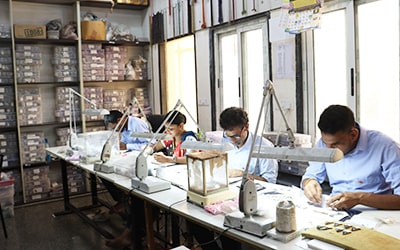

Automation helps streamline repetitive processes and improve efficiency.
Machines handle polishing and finishing tasks Laser technology ensures precise engraving
Reduces dependency on manual labor Increases production speed significantly
Maintains consistent quality Automation allows manufacturers to handle high volumes with ease.
Quality Control in Mass Production
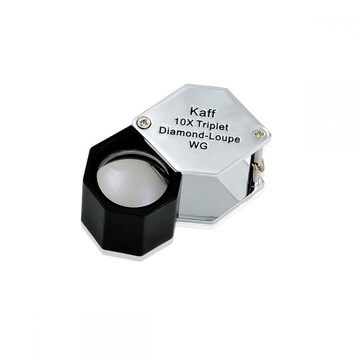


Maintaining quality in large-scale production is critical for brand reputation.
Each batch is inspected for defects Measurements are checked against CAD designs Stone settings are tested for durability Surface finishing is carefully reviewed Faulty pieces are removed before shipping
Strict quality control ensures customer satisfaction even in bulk production.
Cost Efficiency and Profitability

 4
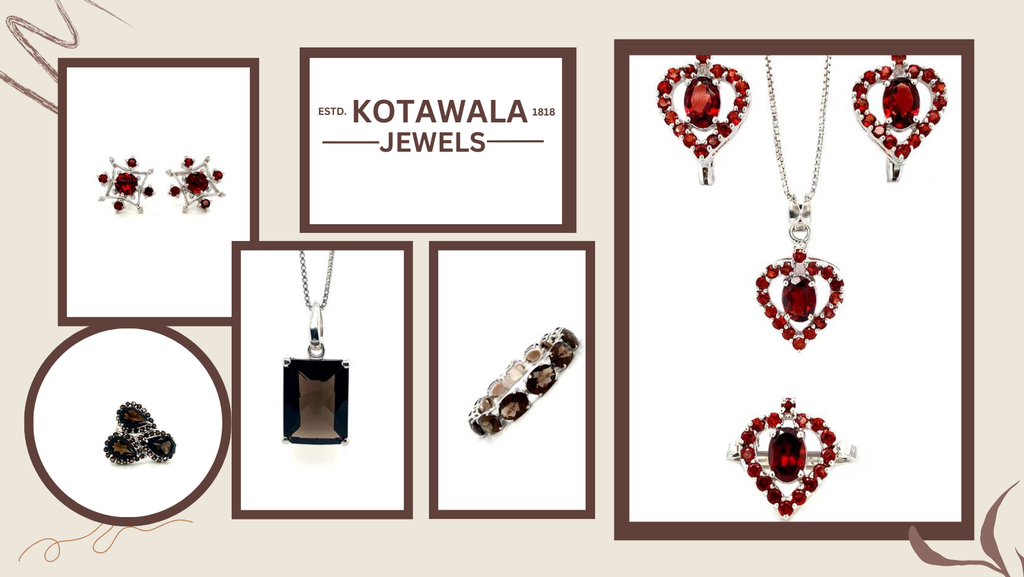
Mass production helps reduce costs and increase profitability. Lower cost per unit due to bulk production Reduced material wastage Faster production cycles Better inventory management
Higher profit margins for businesses This makes mass production essential for growing jewelry brands.
Global Manufacturing and Distribution


 4
Modern jewelry businesses operate on a global scale.
Designs can be created in one country and produced in another Faster communication with digital tools Efficient logistics and shipping systems Ability to serve international customers Scalable production for global demand Global workflows allow businesses to expand beyond local markets.
Challenges in Mass Jewelry Production

