
Jewelry Manufacturing Process Explained: From CAD Design to Final Product
The jewelry manufacturing industry has transformed significantly with the adoption of digital
technology. Today, it is no longer limited to traditional handcrafting. Instead, it combines
creativity with precision engineering, allowing businesses to produce highly detailed and
customized jewelry efficiently.
From the first concept to the final polished piece, every stage plays a crucial role.
A well-structured manufacturing process ensures better quality, faster turnaround time, and
reduced production costs.
Concept Development and Planning


Every jewelry piece begins with a concept. This stage focuses on transforming an idea into a
structured design plan.
Designers study market trends and customer demand
Initial sketches or reference designs are created
Materials like gold, silver, or platinum are selected
Gemstone placement and size are carefully planned
Budget and production feasibility are evaluated
A strong foundation at this stage ensures fewer revisions later in the process.
CAD Design and 3D Modeling
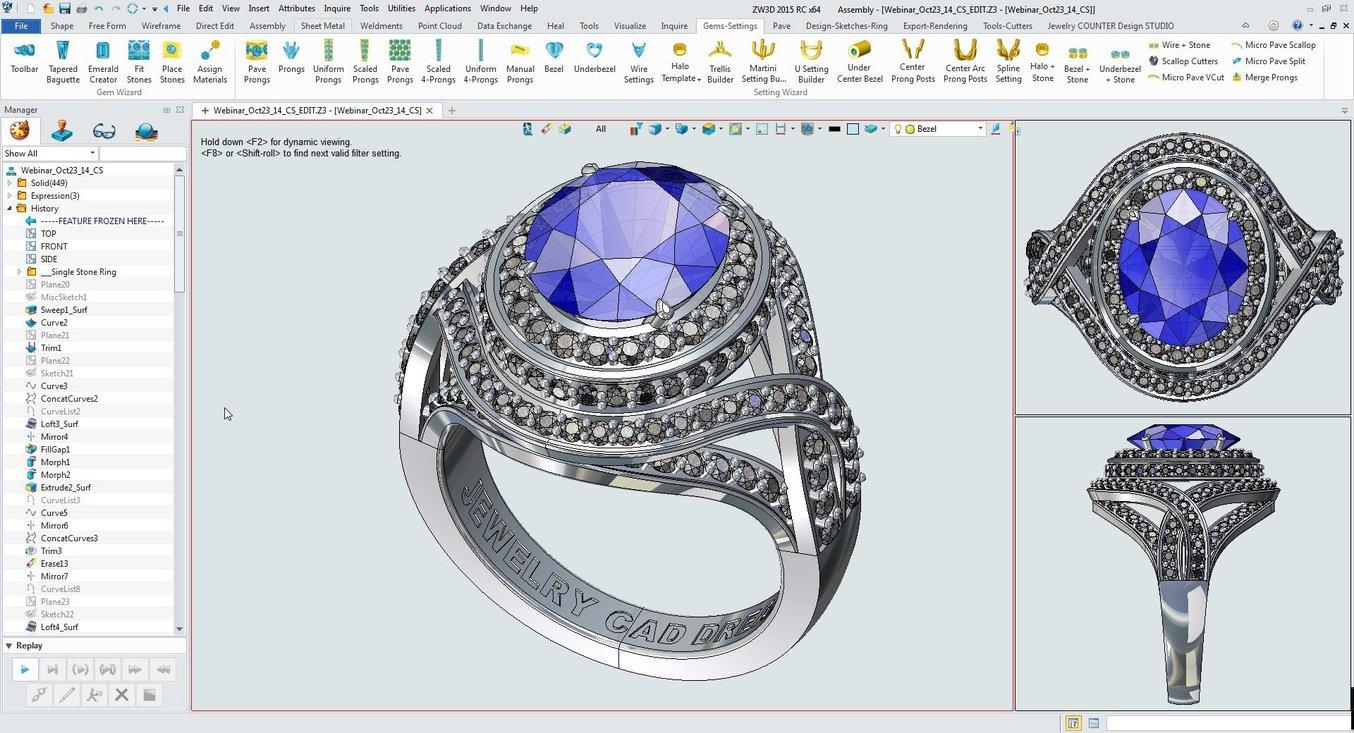


Once the concept is finalized, it is converted into a precise 3D model using CAD software. This
step is essential in modern jewelry production.
Accurate 3D models are created with exact measurements
Designers can easily modify and refine details
Complex patterns and structures become achievable
Design errors are identified early
Files are prepared for manufacturing and printing
CAD technology ensures precision and reduces costly mistakes during production.
Jewelry Rendering and Visualization

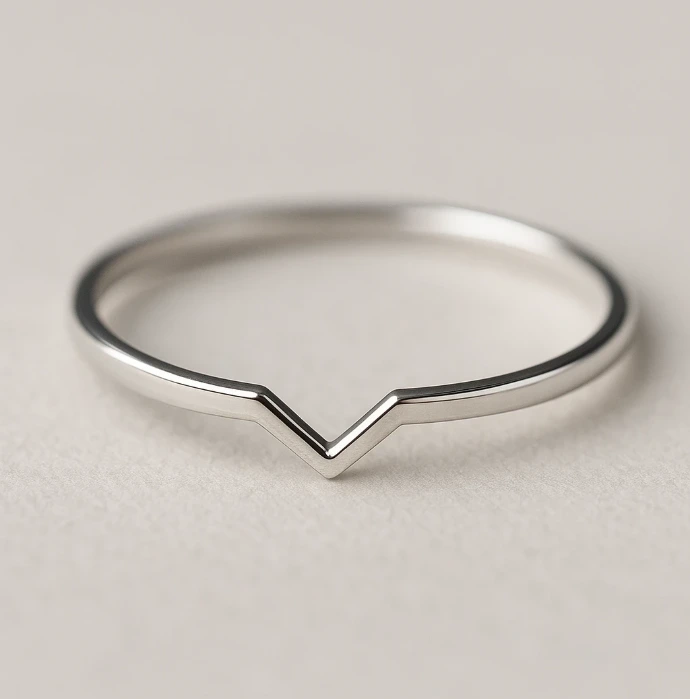
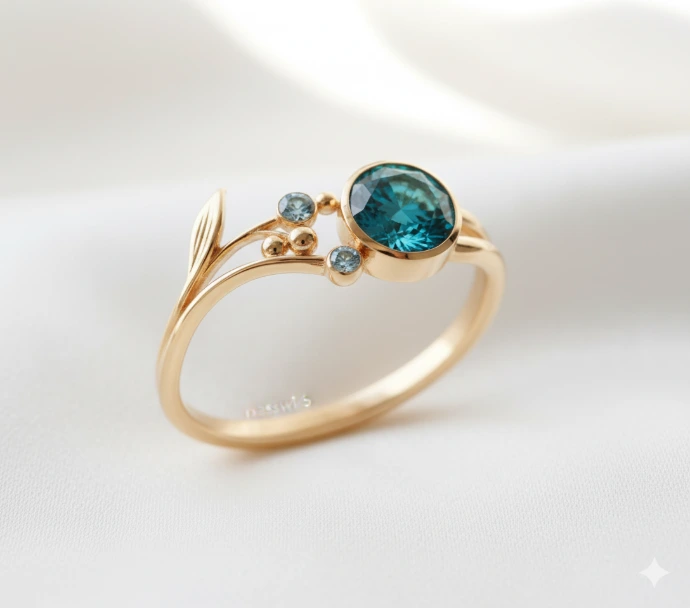
Rendering allows designers and clients to visualize the final product before it is physically
created.
High-quality images show materials, textures, and lighting
Clients can approve designs before manufacturing
Useful for marketing and online sales
Reduces the chances of design misunderstandings
Multiple variations can be tested visually
This stage bridges the gap between imagination and reality.
Prototyping and 3D Printing


After finalizing the design, a physical prototype is created using 3D printing or wax modeling.
CAD files are converted into printable formats
Resin or wax models are produced with high precision
Designers can physically inspect the piece
Necessary adjustments are made before mass production
Saves time compared to traditional carving methods
Prototyping helps ensure that the design works perfectly in real form.
Mold Making and Casting

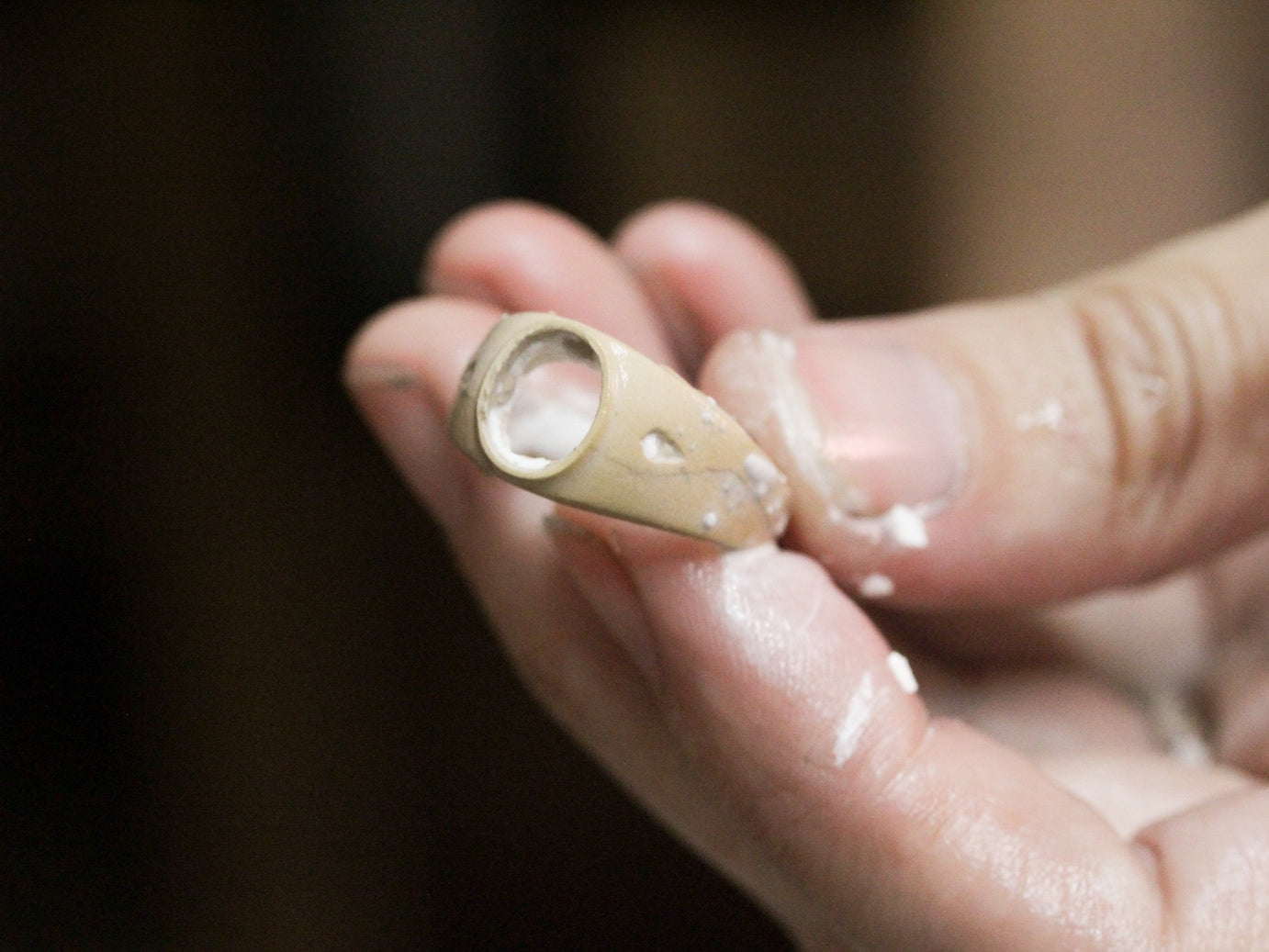

Casting is the stage where the digital design becomes a real metal piece.
Wax models are used to create molds
Molten metal is poured into the mold
The metal solidifies into the desired shape
High precision reduces material wastage
Suitable for both custom and bulk production
This is one of the most critical steps in jewelry manufacturing.
Cleaning and Pre-Finishing
 4
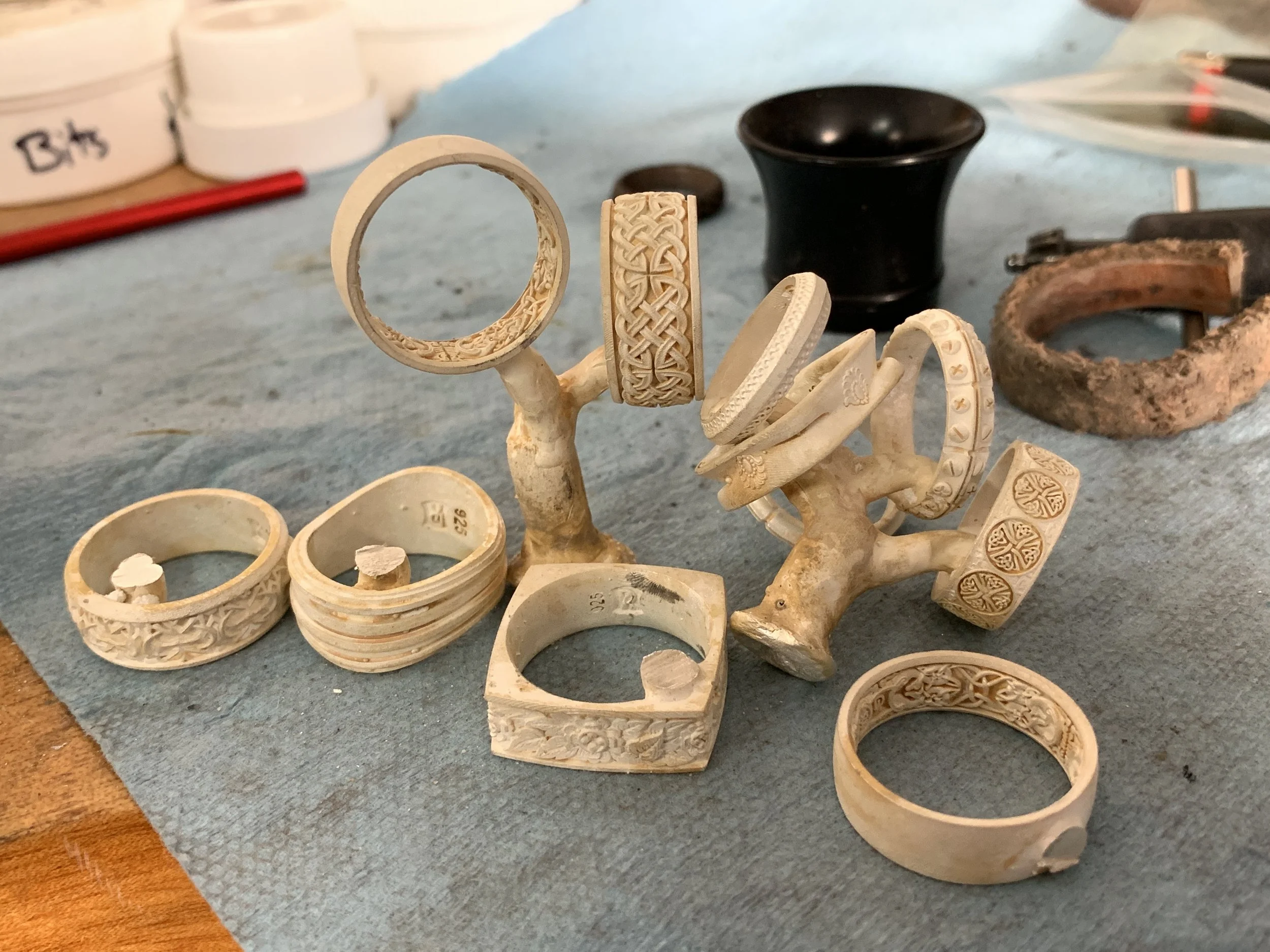
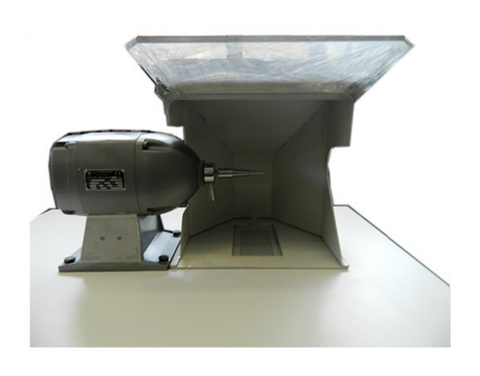
After casting, the jewelry piece requires cleaning and basic finishing.
Excess metal and sprues are removed
Surface imperfections are corrected
Initial polishing is performed
The piece is prepared for stone setting
Structural quality is checked
This stage prepares the jewelry for detailed finishing work.
Stone Setting

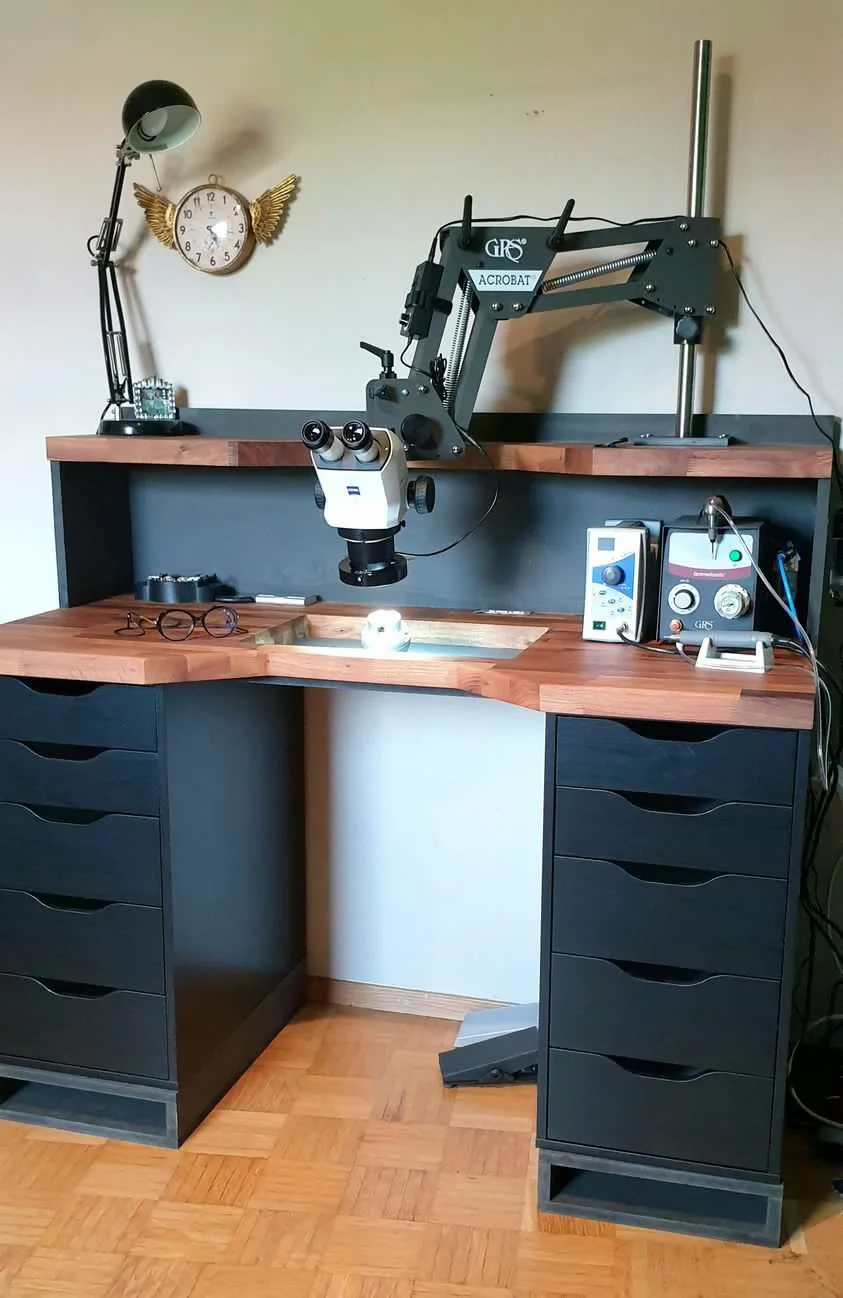

If the design includes gemstones, they are carefully set into the jewelry.
Stones are placed according to the CAD design
Techniques like prong, bezel, or pave setting are used
Precision ensures durability and safety of stones
Enhances the visual appeal of the jewelry
Requires skilled craftsmanship
Stone setting is where craftsmanship meets precision.
Final Polishing and Finishing


This stage gives the jewelry its final look and shine.
High polish creates a smooth reflective surface
Matte or textured finishes can also be applied
Rhodium plating enhances durability and color
Final inspection ensures perfection
Jewelry is cleaned and prepared for delivery
This step defines the final appearance of the product.
Quality Control and Global Delivery


Before reaching the customer, strict quality checks are performed.
Dimensions are verified with CAD specifications
Stone settings are tested for security
Surface finish is inspected
Durability and comfort are evaluated
Packaging is done carefully for global shipping
With digital workflows, jewelry manufacturing has become a global process, allowing
businesses to serve customers worldwide efficiently.
Conclusion
Modern jewelry manufacturing is a perfect blend of art and technology. From CAD design to
final polishing, each stage contributes to creating high-quality, precise, and visually stunning
jewelry.
For businesses aiming to grow globally, adopting CAD, rendering, and advanced
manufacturing techniques is no longer optional. It is essential for staying competitive,
reducing costs, and delivering exceptional products to customers.