Skip to Content
Home
Browse Library
Free Designs
Services
About Us
Blog
Forum
Tools
Diamond size chart
Ring Size Guide
0
0
Sign in
Contact Us
0
0
Home
Browse Library
Free Designs
Services
About Us
Blog
Forum
Tools
Diamond size chart
Ring Size Guide
Sign in
Contact Us
Jewelry Pricing Psychology – How to Price Jewelry for Maximum Profit & Sales
All Blogs
Jewellery Growth Blog
Jewelry Pricing Psychology – How to Price Jewelry for Maximum Profit & Sales
24 February 2026
by
Deepak
| No comments yet
Introduction
Pricing jewelry is not just about adding costs and margins — it is about
perception,
psychology, and positioning
.
Two identical rings can be priced at $200 and $2000 — and surprisingly, the higher-priced one
may sell better. Why?
Because in the jewelry industry,
price communicates value, quality, and trust
.
Customers don’t always understand technical details like diamond clarity or gold purity.
Instead, they rely on signals — and price is one of the strongest signals.
If your pricing strategy is wrong, you will either:
Lose customers due to high price
Or lose trust due to low price
This blog will help you understand the deep psychology behind jewelry pricing and how to
use it to
increase profit while maintaining strong brand positioning
.
1. Price = Perceived Value
The first rule of pricing psychology:
Customers don’t buy based on cost — they buy based on
perceived value
.
If your jewelry looks premium, customers expect a higher price.
If your price is too low, they assume something is wrong.
Example
A diamond ring priced at $100 → feels fake
The same ring priced at $1000 → feels valuable
What this means for your business
Your pricing should match your brand positioning.
If you want to be seen as:
Luxury → price higher
Mid-range → balanced pricing
Budget → competitive pricing
But remember —
low pricing rarely builds a strong brand
.
If you want to explore professional jewellery CAD models you can visit
https://www.cads11.shop/shop
2. The Power of Anchoring
4
Anchoring is a powerful psychological technique.
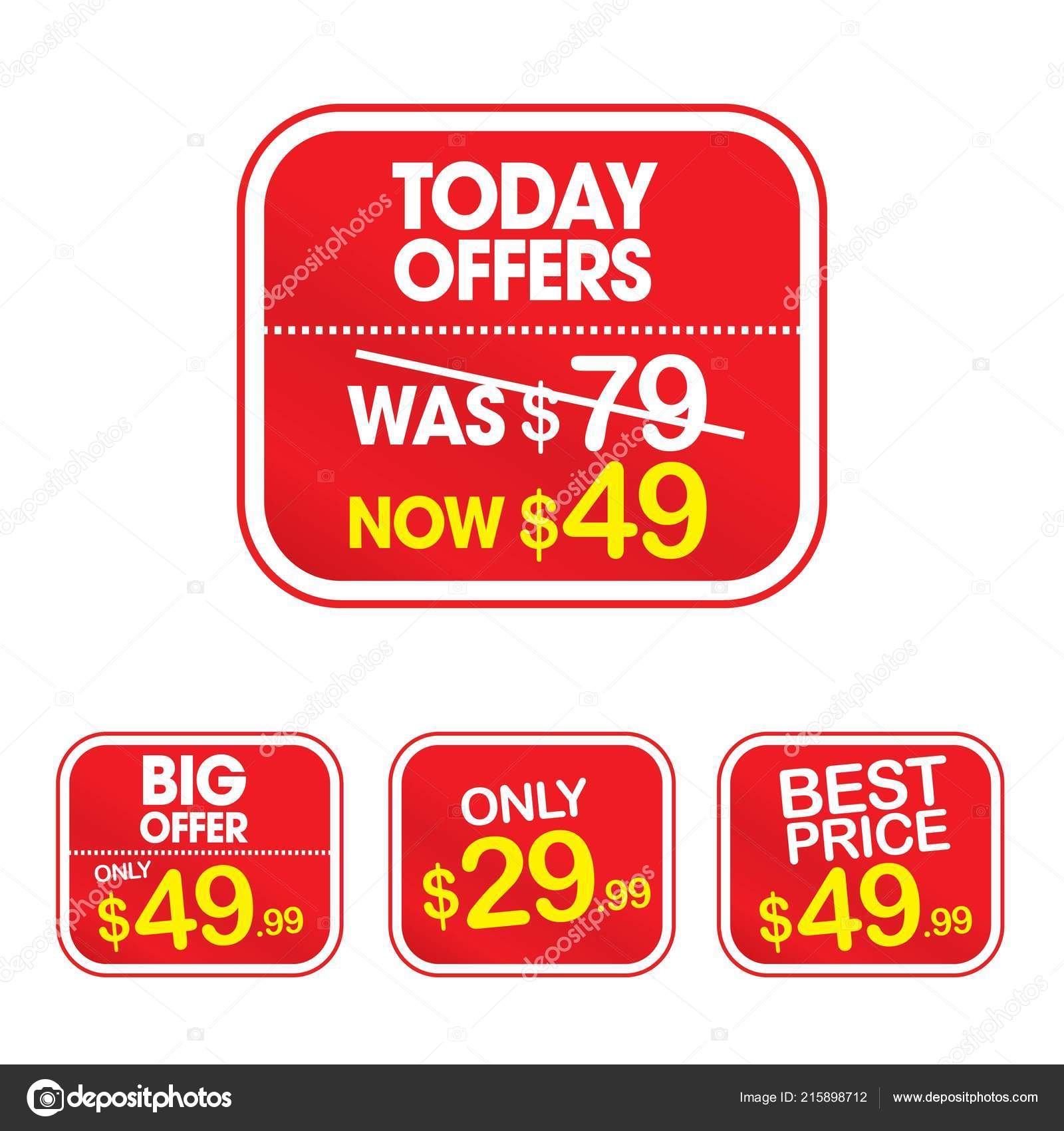
It means showing a higher price first so the actual price feels more attractive.
Example
Original Price: $1500
Now: $999
Customers feel they are getting a deal.
Even if your actual target price was $999, showing a higher anchor increases conversion.
How to use anchoring
Show original vs discounted price
Compare with premium products
Display “value worth”
This creates a perception of
saving money
, even in luxury.
3. Charm Pricing (Ending in 9 or 99)
Prices like $999 feel cheaper than $1000 — even though the difference is just $1.
This is called charm pricing.
Why it works
The human brain reads numbers from left to right.
$999 → feels closer to $900
$1000 → feels higher psychologically
Should you use it in jewelry?
It depends on your brand:
Mid-range brands → YES (₹9,999 works well)
Luxury brands → NO (₹10,000 feels more premium)
Luxury brands often avoid charm pricing because
round numbers feel more elegant and premium
.
4. Premium Pricing Strategy
4
Premium pricing is not about being expensive — it’s about being
valuable
.
When you price higher:
Customers expect better quality
Your brand looks more exclusive
You attract serious buyers
Why premium pricing works
People associate higher price with:
Better craftsmanship
Better materials
Higher status
How to justify premium pricing
Show detailed craftsmanship
Use high-quality visuals
Highlight materials (gold purity, diamonds)
Build strong branding
Premium pricing increases both
profit and brand perception
.
5. Decoy Pricing Strategy
Decoy pricing helps guide customers toward your preferred option.
Example
Option 1: Ring – $500
Option 2: Ring + small diamonds – $700
Option 3: Premium ring – $750
Most customers choose Option 3 because it feels like the
best value
.
How to use it
Create 3 pricing tiers
Make middle option less attractive
Push customers toward premium option
This increases your
average order value
.
6. Emotional Pricing in Jewelry
4
Jewelry is not just a product — it’s emotional.
People buy jewelry for:
Love
Commitment
Celebration
What this means
Customers are less price-sensitive when emotions are involved.
They don’t think:
“How cheap is this?”
They think:
“Is this perfect for this moment?”
How to use emotional pricing
Use storytelling
Highlight occasions (wedding, anniversary)
Focus on meaning, not cost
Emotional connection reduces price resistance.
7. Transparency Builds Trust
One major reason customers hesitate is confusion about pricing.
They don’t understand why jewelry is expensive.
How to solve this
Explain gold weight
Explain diamond quality
Break down pricing
When customers understand value, they feel confident paying higher prices.
8. Bundling Strategy
4
Bundling increases perceived value.
Example
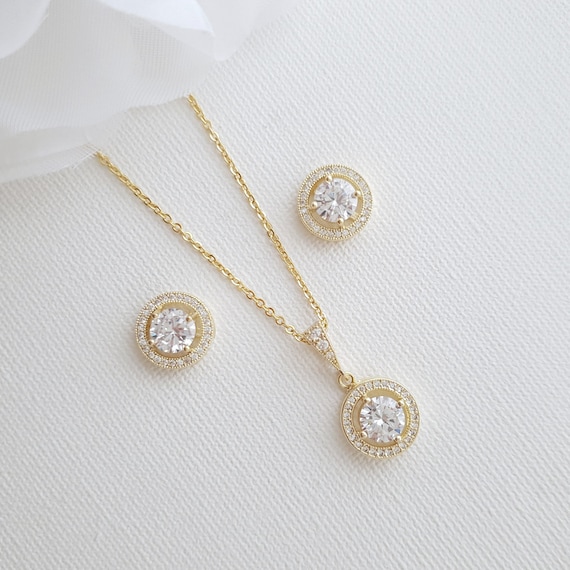
Necklace: $500
Earrings: $300
Bundle price: $700
Customers feel they are getting more for less.
Benefits
Higher order value
Faster sales
Better customer satisfaction
9. Scarcity & Urgency Pricing
Scarcity creates demand.
Examples
Limited stock
Limited edition
Only 5 pieces available
Why it work
s
People don’t want to miss out.
Urgency pushes faster decisions.
10. Global Pricing Strategy
Different markets respond differently to pricing.
USA → value + branding
UK → elegance + subtle pricing
Dubai → luxury + high-value pricing
What you should do
Adjust pricing by market
Use USD for global customers
Consider shipping and taxes
11. Psychological Triggers That Increase Sales
Small changes can create big impact.
Free shipping
Easy returns
EMI options
Gift packaging
These reduce hesitation and increase conversion.
Final Thoughts
Jewelry pricing is not just math — it is
psychology, perception, and strategy
.
If you price correctly, you can:
Increase profit
Build a premium brand
Attract better customers
Remember:
Customers don’t buy the cheapest jewelry.
They buy the jewelry that feels
most valuable and meaningful
.
If you want to explore professional jewellery CAD models you can visit
https://www.cads11.shop/shop
in
Jewellery Growth Blog
#
Jewellery Branding
Jewellery animation
Jewellery sales
Luxury Jewelry
Modern jeweler
Production ready cad
Deepak
24 February 2026
Share this post
Share
Tags
Jewellery Branding
Jewellery animation
Jewellery sales
Luxury Jewelry
Modern jeweler
Production ready cad
Our blogs
Jewellery Designing & Rendering Blog
Jewellery Manufacturing Blog
Jewellery Sales Guide
Jewellery Growth Blog
Jewellery Trends 2026
Archive
All dates
January 2026
February 2026
March 2026
Sign in
to leave a comment
 | No comments yet


 4

 4

 4
 4