Rhino vs MatrixGold vs ZBrush: Which CAD Software Is Best for Jewellery Design?
5 March 2026by
Deepak
| No comments yet
Rhino vs MatrixGold vs ZBrush in Jewellery CAD Design
Modern jewellery design has become deeply connected with digital tools. CAD software allows jewellery designers to create complex diamond rings, pendants, bracelets, and custom pieces with extreme precision before any manufacturing begins. Among the many software options available today, Rhino, MatrixGold, and ZBrush are three of the most widely used programs in professional jewellery design workflows.
Each of these tools offers different advantages depending on the design style, manufacturing requirements, and level of customization needed. Some programs are focused on engineering accuracy while others prioritize artistic sculpting freedom. Understanding the differences between these tools can help jewellery designers choose the best software for their workflow.
For designers looking for ready jewellery CAD models or design inspiration, you can explore
Understanding the Role of CAD Software in Jewellery Manufacturing
Jewellery CAD software is not only used for creating beautiful designs. It is also essential for ensuring that designs can be manufactured successfully. When jewellery is produced through casting or 3D printing, every detail of the design must meet certain structural and geometric standards.
CAD software allows designers to control metal thickness, stone placement, and structural support with great precision. It also enables designers to simulate how diamonds will fit within the design and how light will interact with the surfaces.
Without proper CAD preparation, jewellery designs may fail during casting or become difficult to set with stones. This is why professional jewellery manufacturers rely heavily on digital design tools before moving to production.
The choice of CAD software can significantly influence the efficiency and accuracy of the design process.
Overview of Rhino for Jewellery CAD Design
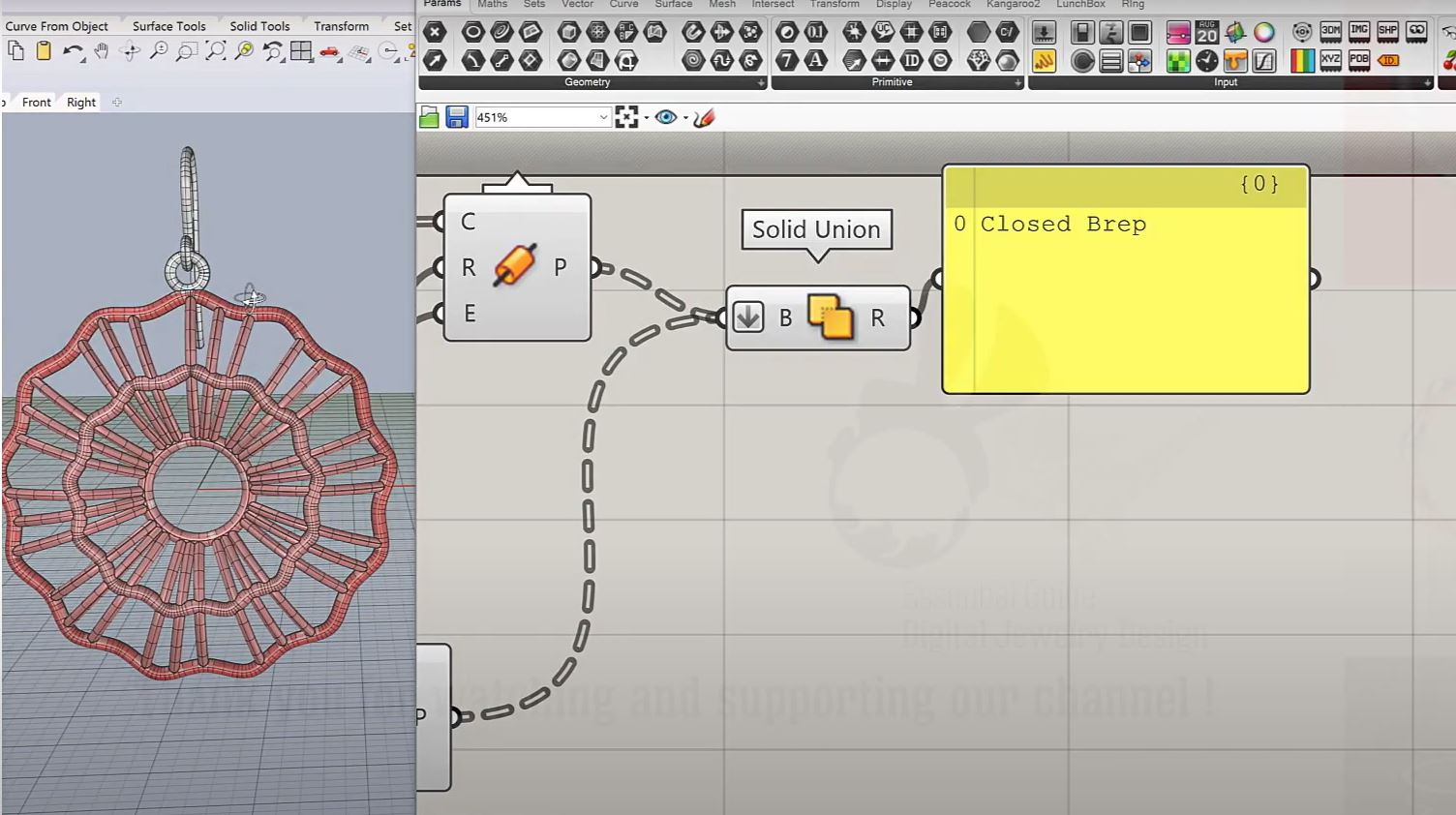
Rhino is one of the most widely used CAD platforms in the jewellery industry. It is known for its powerful NURBS modeling system which allows designers to create extremely accurate curves and surfaces. This precision makes Rhino ideal for jewellery pieces that require technical accuracy such as diamond settings and complex geometric patterns.
Rhino provides a flexible modeling environment where designers can build jewellery models from scratch using curves, surfaces, and solid modeling techniques. Because of its precision, Rhino is often used when preparing designs for manufacturing and stone setting.
Another advantage of Rhino is its compatibility with many plugins that extend its functionality. Jewellery designers often use additional plugins for rendering, stone placement, or parametric modeling.
However, Rhino requires a good understanding of CAD modeling principles, which means beginners may need time to master its workflow.
Understanding MatrixGold for Jewellery Designers
MatrixGold is a jewellery-specific CAD software built on top of Rhino. It is designed specifically for jewellery designers and includes tools that simplify many common jewellery design tasks.
One of the main strengths of MatrixGold is its parametric modeling system. Designers can create jewellery components that automatically adjust when dimensions change. For example, a designer can change the size of a diamond and the surrounding setting will automatically adapt to fit the stone.
MatrixGold also includes dedicated tools for pavé layouts, prong settings, halos, and other jewellery-specific features. These tools save a significant amount of time compared to building the same structures manually in Rhino.
Because MatrixGold is designed specifically for jewellery, it often provides a faster workflow for designers who focus primarily on jewellery production.
Introduction to ZBrush for Jewellery Sculpting
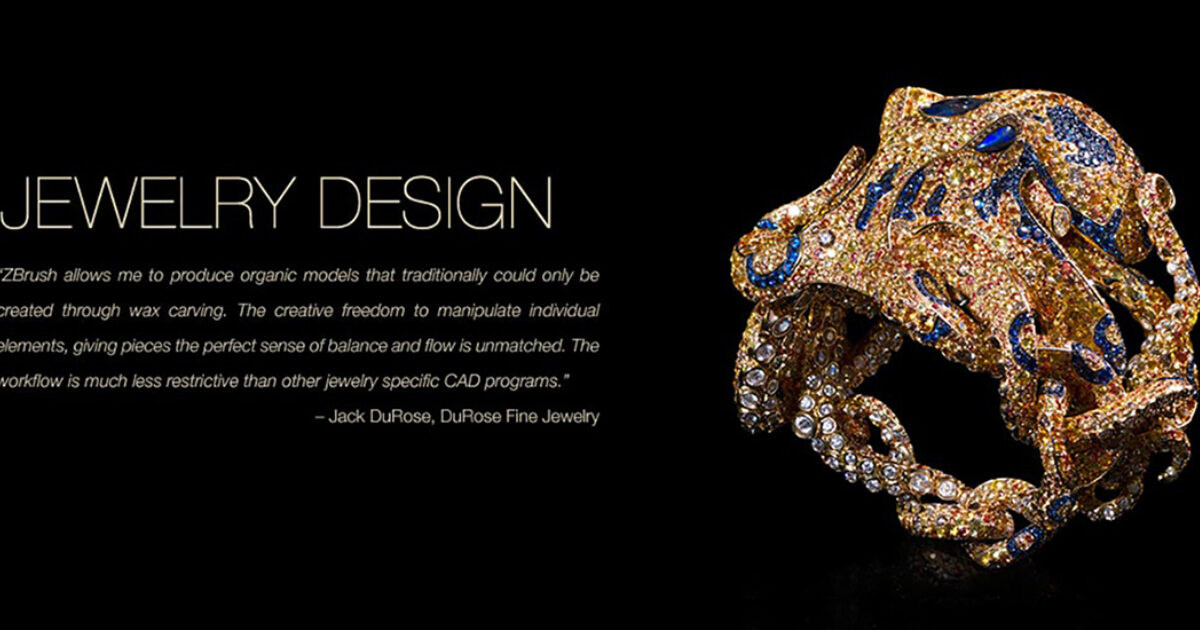
ZBrush is very different from traditional CAD software. Instead of using precise geometric surfaces, ZBrush works more like digital clay sculpting. Designers can push, pull, and shape digital surfaces in a way that resembles traditional hand carving.
This makes ZBrush extremely powerful for creating organic jewellery designs, artistic textures, and intricate ornamental patterns. Designers who specialize in artistic jewellery often use ZBrush to sculpt unique shapes that would be difficult to create using traditional CAD tools.
However, ZBrush is not typically used alone for jewellery production. Because it focuses on sculpting rather than engineering precision, additional software is usually required to prepare the design for manufacturing.
Many designers combine ZBrush with Rhino or MatrixGold to achieve both artistic creativity and technical accuracy.
Comparing Modeling Precision Between the Software
Precision is one of the most important factors in jewellery CAD design. Diamond settings require extremely accurate measurements to ensure stones fit correctly. Even a difference of 0.1 millimeters can create problems during stone setting.
Rhino and MatrixGold are designed specifically for precision modeling. Their NURBS based systems allow designers to control exact measurements and maintain perfectly smooth surfaces.
ZBrush, on the other hand, prioritizes artistic freedom over strict precision. While it is capable of producing detailed designs, it does not always maintain the same level of dimensional accuracy required for stone settings.
Because of this difference, many professional jewellery designers use ZBrush for decorative elements while relying on Rhino or MatrixGold for structural components.
Workflow Differences in Jewellery Design
Each software platform offers a different workflow experience for designers.
Rhino provides a flexible environment where designers can build models manually using curves and surfaces. This allows full control over every element of the design but requires more technical knowledge.
MatrixGold simplifies the workflow by providing ready-made jewellery tools. Designers can quickly create stone settings, ring shanks, and decorative structures without building everything manually.
ZBrush offers a completely different approach by focusing on sculpting rather than engineering. Designers can experiment freely with shapes and textures, making it ideal for artistic designs.
Choosing the right workflow depends on whether the designer prioritizes speed, precision, or artistic freedom.
Rendering Capabilities in Jewellery Software
Rendering is an important part of jewellery design because it allows designers to present their work visually before manufacturing begins. High quality renders can also be used for marketing and online stores.
Rhino supports multiple rendering plugins such as V-Ray and KeyShot which can produce photorealistic jewellery images. MatrixGold also integrates with these rendering tools.
ZBrush includes its own rendering system which is useful for visualizing sculpted designs. However, many designers export ZBrush models to other rendering engines to achieve more realistic lighting and reflections.
For jewellery businesses that rely on online marketing, realistic rendering is extremely important.
You can explore jewellery designs suitable for rendering here
The learning curve for these software programs varies significantly.
Rhino offers powerful modeling capabilities but requires time to learn because of its technical nature. Designers must understand curves, surfaces, and solid modeling concepts.
MatrixGold is generally easier for jewellery designers because many tools are specifically built for jewellery workflows. This makes it easier to create professional designs quickly.
ZBrush has a unique interface that may feel unfamiliar at first. However, artists who enjoy sculpting often find it very intuitive once they become comfortable with the tools.
Choosing software that matches the designer’s preferred workflow can greatly improve productivity.
Cost Considerations for Jewellery Designers
Software cost is another important factor when choosing a CAD platform.
Rhino is generally more affordable compared to specialized jewellery software. It provides powerful modeling capabilities at a relatively reasonable price.
MatrixGold is more expensive because it includes advanced jewellery-specific tools and parametric features. However, many professional jewellery studios consider it worth the investment due to the time it saves.
ZBrush pricing falls somewhere between general design software and specialized CAD tools.
For independent designers and startups, the cost of software may influence the decision significantly.
Choosing the Right CAD Software for Your Needs
There is no single software that is perfect for every jewellery designer. The best choice depends on the type of jewellery being designed and the designer’s personal workflow.
Designers who prioritize technical precision often prefer Rhino or MatrixGold. These tools provide the accuracy required for diamond settings and manufacturing preparation.
Designers focused on artistic and organic jewellery may prefer ZBrush for its sculpting capabilities.
Many professionals combine multiple tools to create a balanced workflow that supports both creativity and manufacturing accuracy.
For jewellery businesses looking for professional CAD services you can visit
Rhino, MatrixGold, and ZBrush each play an important role in modern jewellery CAD design. While Rhino and MatrixGold provide the precision required for engineering and manufacturing, ZBrush offers artistic flexibility that allows designers to create unique decorative elements.
Understanding the strengths and limitations of each software helps jewellery designers choose the right tools for their projects. Many professionals combine these programs to create a powerful design workflow that balances creativity with technical accuracy.
As digital design technology continues to evolve, jewellery CAD software will become even more advanced, allowing designers to create increasingly complex and innovative jewellery pieces.
For designers and jewellery businesses aiming to stay competitive in the modern market, mastering these digital tools is an essential step toward success.
 | No comments yet