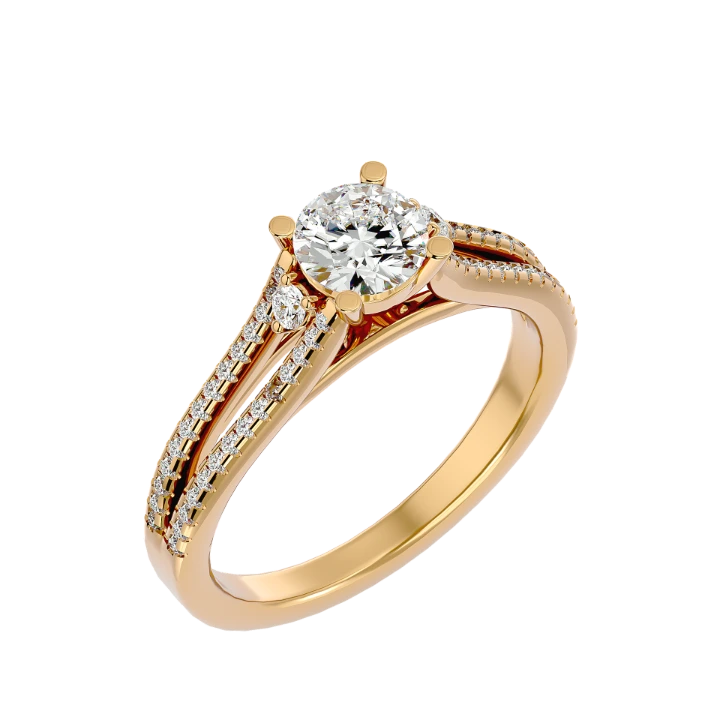
Jewellery Rendering Secrets: How to Create Hyper-Realistic Diamond Renders
5 March 2026by
Deepak
| No comments yet
Introduction to Jewellery Rendering
Jewellery rendering has become one of the most powerful tools in modern jewellery marketing and design presentation. Before a piece of jewellery is physically manufactured, designers can now create extremely realistic digital images that showcase how the final product will look. These renders are often used for e-commerce stores, catalogues, social media marketing, and customer previews.
High-quality jewellery rendering allows customers to visualize a design clearly, even before production begins. However, many designers struggle to achieve photorealistic results. Their renders often look artificial because of incorrect lighting, poor material settings, or unrealistic diamond properties.
Mastering jewellery rendering requires understanding how light interacts with diamonds, how metal surfaces reflect environments, and how rendering engines simulate real-world physics. When done correctly, a digital render can look almost identical to a professional jewellery photograph.
If you want to explore professional jewellery CAD designs that can be used for rendering practice, you can visit
In the past, jewellery brands had to manufacture a piece before they could photograph it for marketing. This process required significant time, material cost, and production resources. Today, jewellery rendering allows designers to present products instantly without physical manufacturing.
For online jewellery stores, rendering is especially valuable because customers rely heavily on visuals when making purchase decisions. A high-quality render can highlight diamond brilliance, metal polish, and intricate details much more effectively than basic images.
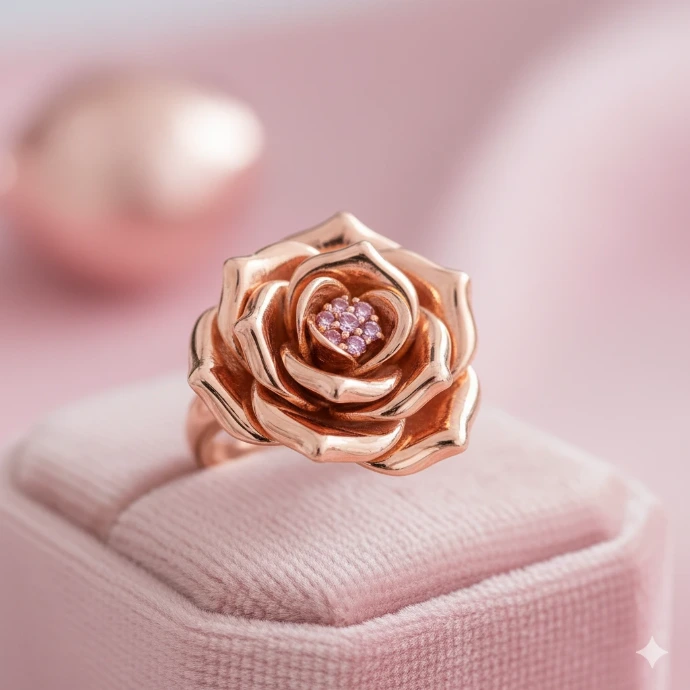
Rendering also allows designers to show multiple metal variations such as yellow gold, white gold, or rose gold without producing separate physical pieces. This flexibility significantly improves the efficiency of product visualization.
Modern jewellery brands use rendering not only for marketing but also for product development and customer approval before manufacturing begins.
Understanding How Diamonds Reflect Light
One of the most challenging aspects of jewellery rendering is simulating realistic diamond brilliance. Diamonds are unique gemstones because they bend and disperse light in complex ways. This optical behaviour is responsible for the sparkle and fire that diamonds are known for.
When rendering diamonds, designers must configure the correct refractive index and dispersion values. The refractive index determines how much light bends when entering the gemstone. Dispersion controls how white light splits into rainbow colours inside the diamond.
If these values are not set correctly, the diamond may appear dull, glass-like, or unrealistic. Professional jewellery rendering engines use physically accurate material properties to simulate how light interacts with gemstone surfaces.
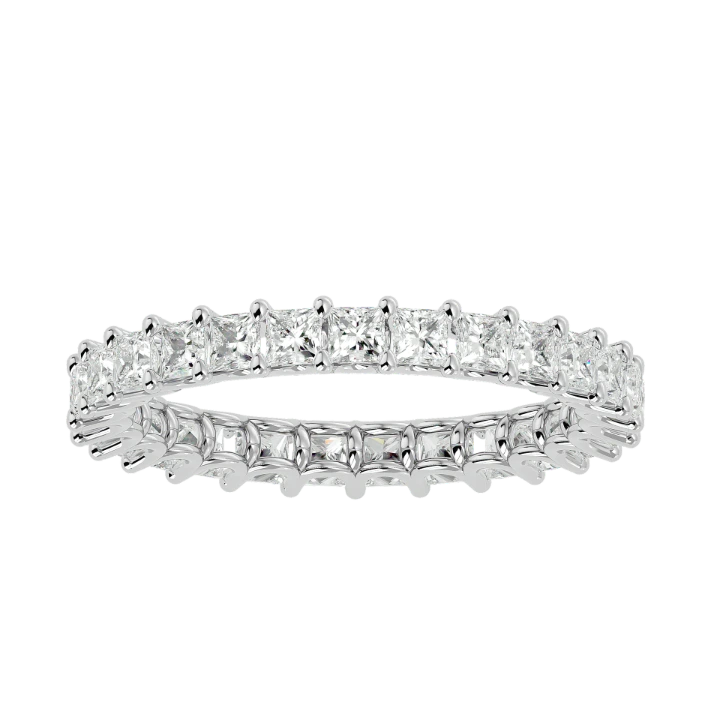
Another important factor is the diamond cut. The proportions of the crown, pavilion, and table greatly affect how light reflects inside the stone. Accurate diamond models therefore produce much better rendering results.
Choosing the Right Rendering Software
Different rendering engines produce different results depending on their lighting algorithms and material systems. Many jewellery designers use rendering tools integrated with CAD software such as Rhino or MatrixGold. Others prefer dedicated rendering programs for higher realism.
Popular jewellery rendering engines include KeyShot, V-Ray, Octane, and Blender Cycles. These engines simulate global illumination, reflections, and refractions to produce photorealistic images.
The choice of rendering software depends on the designer’s workflow and hardware capabilities. Some engines prioritize speed while others focus on maximum realism.
Regardless of the software used, understanding lighting and material behaviour remains the most important factor in producing high-quality renders.
Creating Realistic Metal Materials
Metal surfaces play a crucial role in jewellery rendering. Gold, silver, and platinum behave differently under light because of their unique reflective properties.
Many beginner renders look unrealistic because the metal surface is perfectly smooth. In real jewellery, polished metal always contains microscopic surface imperfections that slightly scatter reflections.
Adding subtle surface roughness helps create more natural reflections and prevents the metal from looking like plastic. Designers should also ensure that metal colours match real world alloy tones.
For example, white gold should have a slightly warm tone, while platinum appears cooler and more neutral. Rose gold contains copper which gives it a pinkish hue.
Accurate metal materials significantly improve the realism of jewellery renders.
Using Proper Lighting for Jewellery Rendering
Lighting is the most important element in jewellery rendering. Without proper lighting, even the most detailed CAD model will look flat and unrealistic.
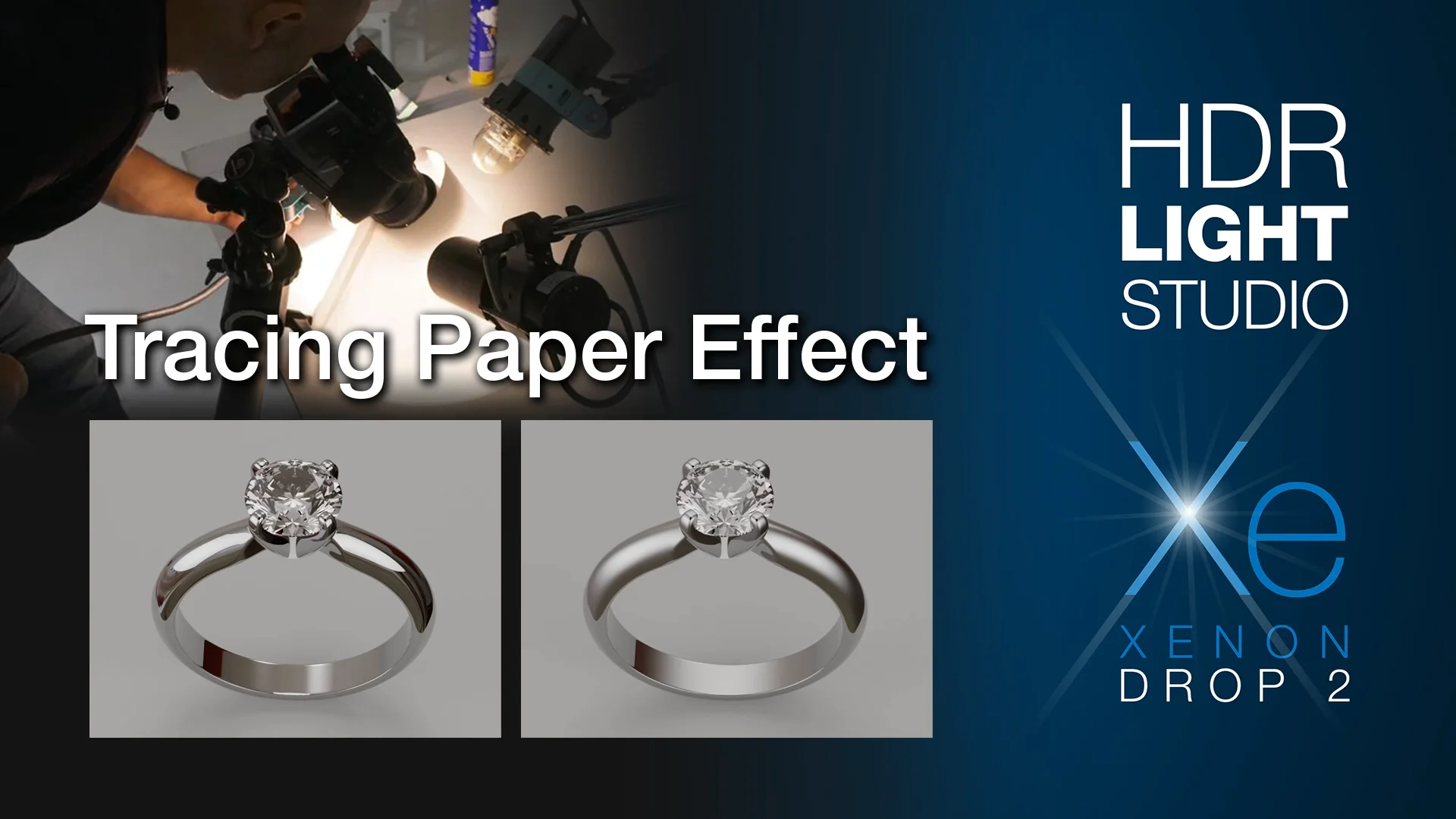
Professional jewellery renders usually use HDR studio lighting environments. HDR maps simulate real photographic studios and provide natural reflections on metal surfaces.
A typical jewellery lighting setup includes multiple soft lights positioned around the model. These lights create highlights on the metal while allowing diamonds to reflect and refract light effectively.
Designers often rotate the HDR environment slightly until the reflections highlight the most important design features of the jewellery piece.
Balanced lighting ensures that both the metal and diamonds appear visually appealing without overexposure.
Improving Diamond Sparkle in Renders
Diamond sparkle depends on the interaction between light rays and the gemstone’s internal facets. Rendering engines calculate these interactions using ray tracing algorithms.
Increasing ray depth allows light to bounce multiple times inside the diamond, producing more realistic sparkle and brilliance. Caustics simulation can also enhance the appearance of light patterns created by diamonds.
However, these features increase rendering time significantly. Designers must balance quality and performance depending on their rendering requirements.
For marketing images where quality is critical, higher ray depth and advanced lighting simulations are recommended.
Using Rendering for Jewellery Marketing
Jewellery rendering has become a powerful marketing tool for online businesses. Many jewellery brands now launch entire collections using digital renders before manufacturing the pieces.
This approach allows businesses to test customer interest and gather feedback before investing in production. Designers can easily modify the CAD model and generate new renders if changes are required.
Rendering also allows businesses to present jewellery designs in different environments such as luxury backgrounds or lifestyle scenes.
If you want to access ready jewellery CAD designs for marketing or rendering practice you can explore
Many jewellery designers make several mistakes when creating renders. These mistakes reduce realism and make the jewellery appear artificial.
One common mistake is using overly strong reflections. Extremely bright reflections can hide important design details and make the metal appear unrealistic.
Another mistake is placing jewellery in unrealistic environments. Backgrounds should complement the jewellery without distracting from the product itself.
Incorrect camera angles can also affect presentation. Jewellery should be positioned to highlight the most important design features such as diamonds, engravings, and metal flow.
By avoiding these mistakes designers can significantly improve the quality of their renders.
Preparing CAD Models for Rendering
Before rendering begins, the CAD model must be optimized for visualization. Clean geometry ensures that reflections and light interactions behave correctly during rendering.
Designers should remove unnecessary surfaces and ensure that all geometry is properly joined. Sharp edges may need to be slightly rounded to simulate realistic polishing.
Small adjustments in the CAD model can dramatically improve rendering results.
Professional CAD models also make it easier to create multiple product variations for marketing.
For jewellery businesses looking for CAD design services you can visit
Rendering technology continues to evolve rapidly as computer graphics become more advanced. Modern rendering engines now support real-time ray tracing which allows designers to see realistic results instantly.
Artificial intelligence is also beginning to influence rendering workflows. AI tools can automatically enhance lighting, materials, and reflections to improve image quality.
In the future jewellery designers may be able to create fully interactive 3D product visualizations where customers can rotate and customize jewellery directly in online stores.
These innovations will continue transforming how jewellery is designed, marketed, and sold.
Conclusion
Jewellery rendering has become an essential skill for modern jewellery designers and brands. High quality renders help present designs realistically, attract customers, and improve marketing performance.
By understanding diamond optics, metal reflections, and lighting environments, designers can produce images that closely resemble real jewellery photography.
Rendering not only enhances visual presentation but also allows designers to experiment with creative concepts before manufacturing begins.
As technology continues to improve, jewellery rendering will play an even bigger role in shaping the future of digital jewellery design and marketing.
For designers and jewellery businesses looking to improve their digital design workflow, mastering jewellery rendering techniques is an invaluable skill.
 | No comments yet