AI in Jewellery CAD Design: How Artificial Intelligence Is Transforming Jewellery Creation
5 March 2026by
Deepak
| No comments yet
Introduction to AI in Jewellery CAD Design
Artificial intelligence is rapidly transforming many creative industries, and jewellery design is no exception. Traditional jewellery design relied heavily on manual sketching, physical prototypes, and time-consuming CAD modeling processes. Today, AI tools are beginning to assist designers by generating ideas, optimizing structures, and improving production workflows.
AI-powered tools can analyze design patterns, suggest gemstone layouts, and even create entirely new jewellery concepts based on existing styles. These capabilities allow designers to explore more creative possibilities while reducing the time required to produce complex CAD models.
For jewellery designers and manufacturers, artificial intelligence offers a new way to combine creativity with efficiency. As the technology continues to evolve, AI is expected to play an increasingly important role in shaping the future of jewellery CAD design.
If you want to explore professional jewellery CAD designs and inspiration you can visit
How AI Assists Jewellery Designers in Concept Creation
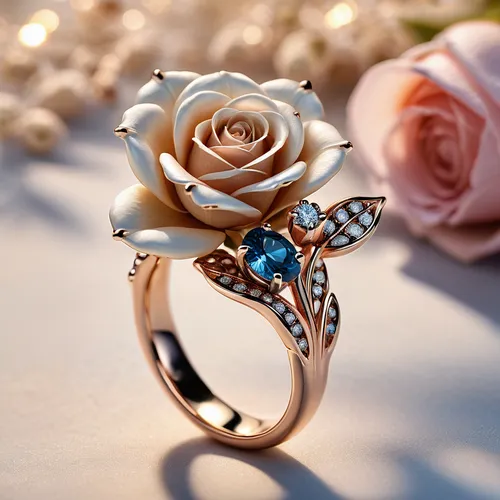
One of the most powerful uses of artificial intelligence in jewellery design is concept generation. AI systems can analyze thousands of jewellery designs and identify patterns in shapes, stone arrangements, and design styles.
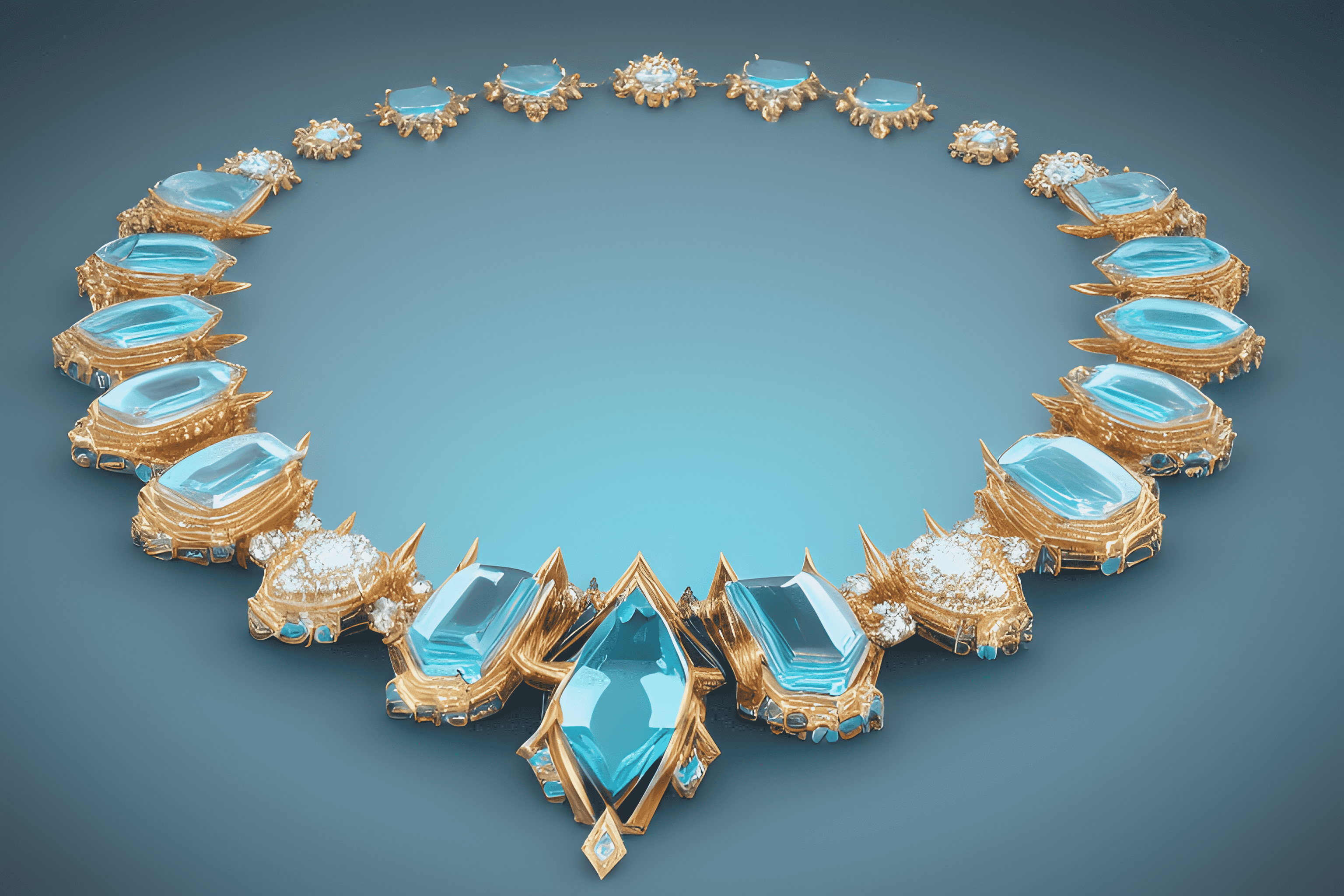
By using this data, AI tools can generate new design concepts that combine elements from different jewellery styles. Designers can then refine these ideas using CAD software.
This process significantly speeds up the creative stage of jewellery design. Instead of starting with a blank canvas, designers can explore multiple AI-generated concepts and develop the most promising ideas further.
AI-assisted concept generation does not replace creativity. Instead, it acts as a powerful tool that helps designers discover new possibilities and design directions.
Automating Diamond Layouts with AI Tools
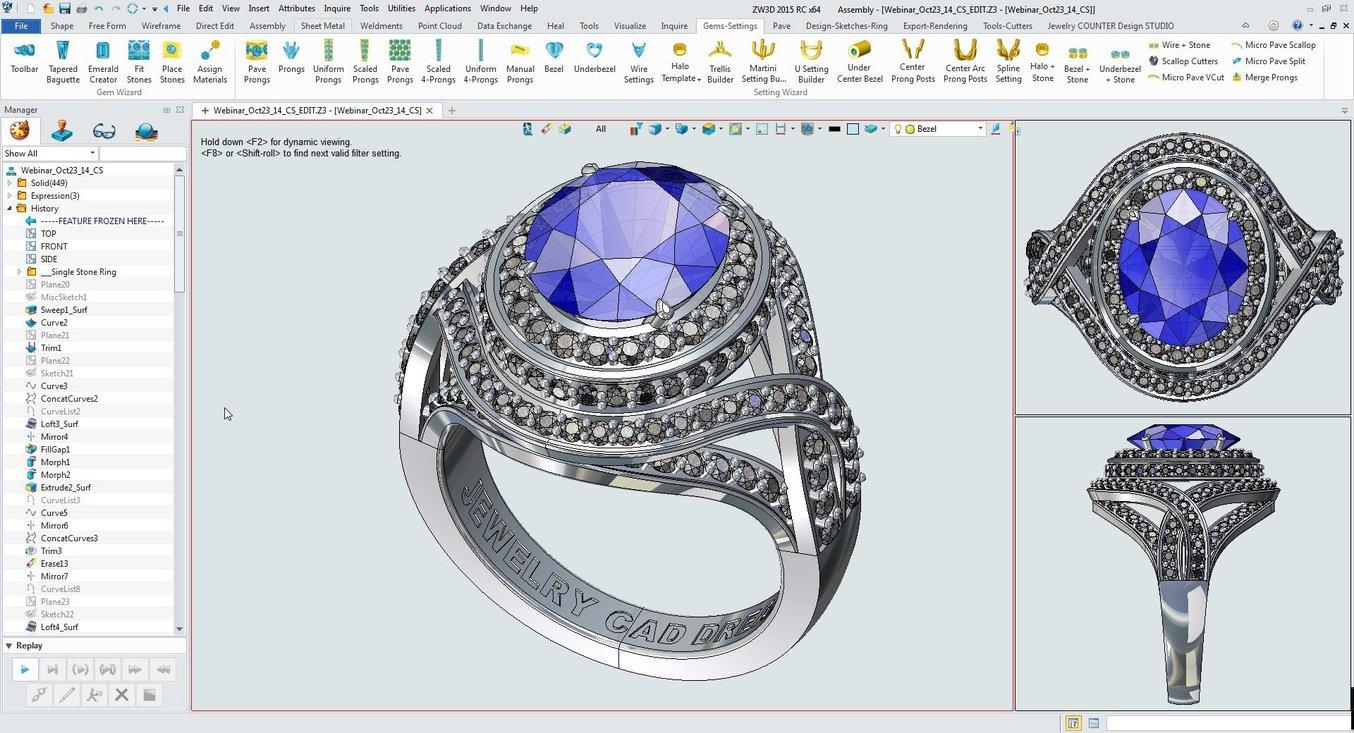
Placing diamonds in jewellery designs requires careful calculation to ensure proper spacing and symmetry. Pavé rings, halo settings, and multi-stone designs often involve dozens or even hundreds of small diamonds.
AI-powered CAD tools can automatically calculate optimal stone placement based on the size and shape of the jewellery piece. These tools analyze the available surface area and generate evenly spaced diamond layouts.
This automation saves significant time compared to manual stone placement in CAD software.
AI systems can also ensure that diamonds do not overlap and that enough metal remains between stones to maintain structural strength.
By automating these calculations, designers can focus more on creative aspects of jewellery design.
AI-Powered Jewellery Rendering and Visualization
Rendering is an essential part of modern jewellery design, especially for online stores and marketing materials. Photorealistic images allow customers to see how a jewellery piece will look before it is manufactured.
AI technology is now improving rendering workflows by automatically enhancing lighting, reflections, and material properties.
AI-based rendering tools can analyze jewellery images and adjust lighting environments to produce more realistic results. These systems can also simulate how diamonds sparkle under different lighting conditions.
The result is faster rendering with higher visual quality.
For jewellery businesses selling online, AI-enhanced rendering can significantly improve product presentation and customer engagement.
You can explore jewellery designs suitable for rendering here
AI is also helping designers improve the structural integrity of jewellery CAD models. By analyzing the geometry of a design, AI systems can identify weak areas that may fail during manufacturing.
For example, AI tools can detect thin metal sections, unsupported gemstones, or areas where casting problems may occur.
Designers can then adjust the CAD model to reinforce these areas before production begins.
This type of automated analysis reduces the risk of manufacturing errors and improves the reliability of jewellery designs.
As AI technology continues to advance, these systems will become even more capable of predicting potential production problems.
AI in Jewellery Manufacturing and Production Planning
Artificial intelligence is also improving efficiency in jewellery manufacturing. AI systems can analyze production data and recommend optimal manufacturing workflows.
For example, AI tools can determine the best orientation for 3D printing jewellery models or suggest improvements in casting processes.
These optimizations help reduce material waste and improve production speed.
AI-driven production planning allows jewellery manufacturers to produce designs more efficiently while maintaining high quality standards.
This technology is especially valuable for large jewellery brands that produce high volumes of designs.
Personalized Jewellery Design Using AI
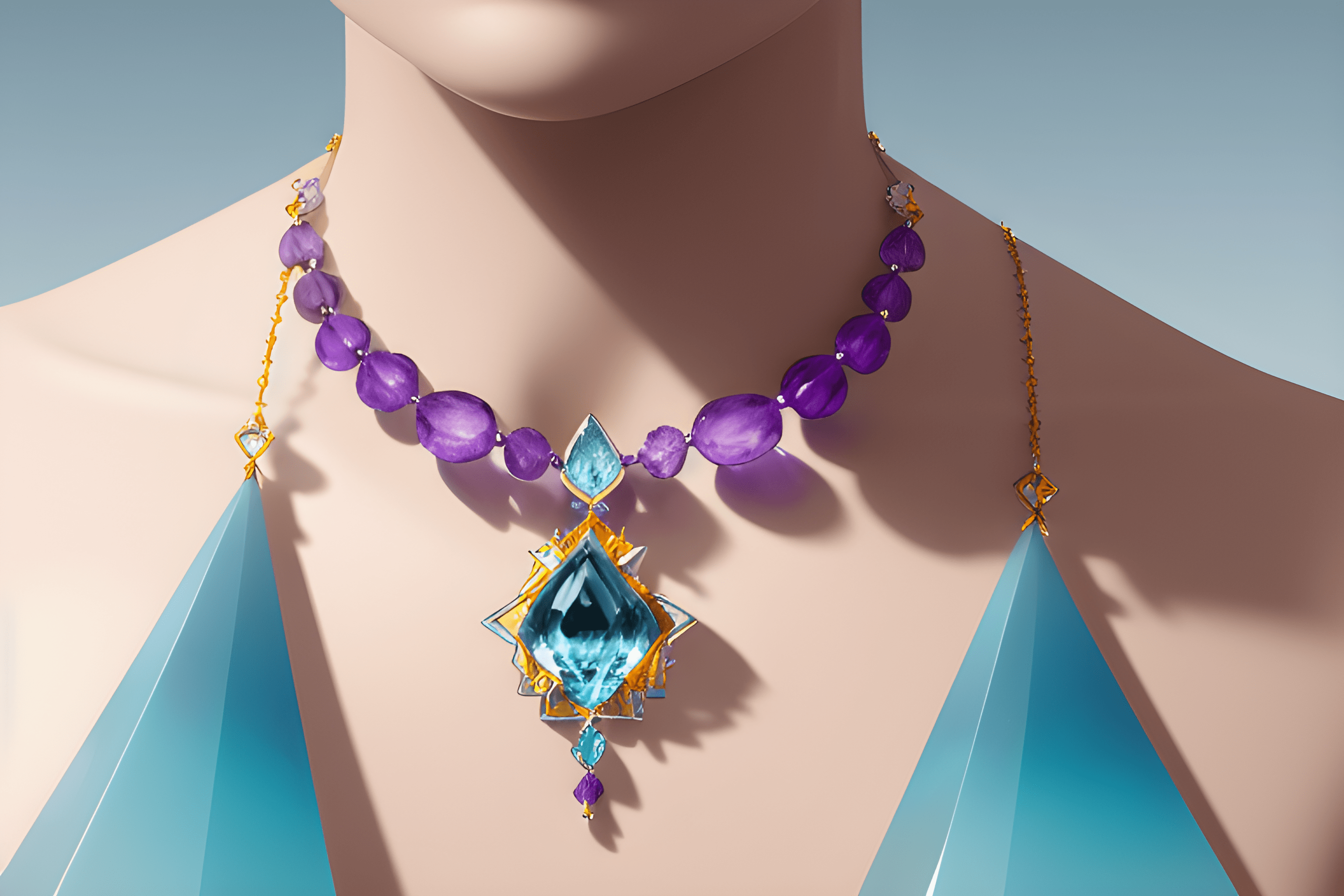
Another exciting application of AI in jewellery design is personalization. AI systems can analyze customer preferences and generate customized jewellery designs tailored to individual tastes.
For example, a customer might specify their preferred gemstone shape, metal type, and design style. AI tools can then generate multiple design variations based on those preferences.
This technology allows jewellery businesses to offer highly personalized products without significantly increasing design time.
Personalized jewellery is becoming increasingly popular in the modern market, and AI is helping make this customization process more efficient.
AI and the Future of Jewellery CAD Design
The integration of artificial intelligence into jewellery design is still in its early stages, but its potential is enormous. Future AI systems may be capable of generating complete jewellery collections automatically based on market trends.
Designers may also use AI tools to analyze customer feedback and adjust designs accordingly.
Real-time design suggestions could become a standard feature in CAD software, helping designers refine their models instantly.
These advancements will allow jewellery designers to work faster and explore more creative possibilities.
For jewellery businesses looking for professional CAD design services you can visit
Although AI is becoming increasingly powerful, human creativity remains the heart of jewellery design. AI tools are best viewed as assistants that help designers work more efficiently.
Designers bring artistic vision, cultural inspiration, and emotional storytelling into jewellery creations. These human elements cannot be fully replaced by algorithms.
By combining human creativity with AI technology, jewellery designers can achieve new levels of innovation and efficiency.
This collaboration between designers and intelligent tools will likely shape the future of jewellery design.
Conclusion
Artificial intelligence is beginning to transform jewellery CAD design in remarkable ways. From concept generation to diamond layout optimization, rendering improvements, and manufacturing analysis, AI offers powerful tools that enhance the design process.
These technologies help designers work faster, reduce errors, and explore new creative possibilities.
As AI continues to develop, its influence on jewellery design and manufacturing will only grow stronger.
For designers and jewellery businesses, embracing AI-driven tools will be an important step toward staying competitive in the evolving digital jewellery industry.
 | No comments yet